Table Of Content
Learn all you need to know about growing aluminum plants here. Maranta leuconeura features strong patterns and bold colors both on the top of the leaves and underneath, creating a true indoor spectacle for any onlookers nearby. When considering a plant of this species, the deep green Hypoestes phyllostachya is your safest option.
These are our 20 favorite places to shop for houseplants in L.A.
The ZZ plant is the ideal plant for beginners as its adaptable to most indoor environments. This low-light tolerant stunner requires very little water to make a statement with its feather-like leaves. Here, we break down the 15 best low-light plants for new plant parents.
Lighting tips for low-light plants
Note that this species is toxic to pets, and the sap may cause skin reactions in sensitive people. Disruptions often cause shock, resulting in slower growth and even wilting or leaf drop. False aralia (Plerandra elegantissima) is a compact, shrub-like rainforest tree that grows very slowly.
How to turn grocery store staples into plants that will thrive in an L.A. garden
It’s used to high humidity in its native tropical habitat, but tolerates typical indoor levels well. During winter dormancy they don’t need more than a splash of water every few weeks. Take care not to overwater as this is likely to cause rotting. It is a very forgiving plant, because it’s used to a hardscrabble life in its native jungle habitat, where the soil is poor and space is scarce. There are numerous types of pothos, but a feature they all share is the heart-shaped leaves on trailing vines.
At night, these plants fold up their leaves, leading some people to refer to them (mistakenly) as prayer plants, which are relatives. Calatheas prefer the soil to remain moist but don't tolerate saturated soil. Columnea develops tubular yellow or orange blooms that give these jungle natives their common name, goldfish plant. Although Columnea blooms best in a bright location, the plant will thrive in darker rooms where its trailing, shiny, dark green leaves will be appreciated.
Bird’s nest fern
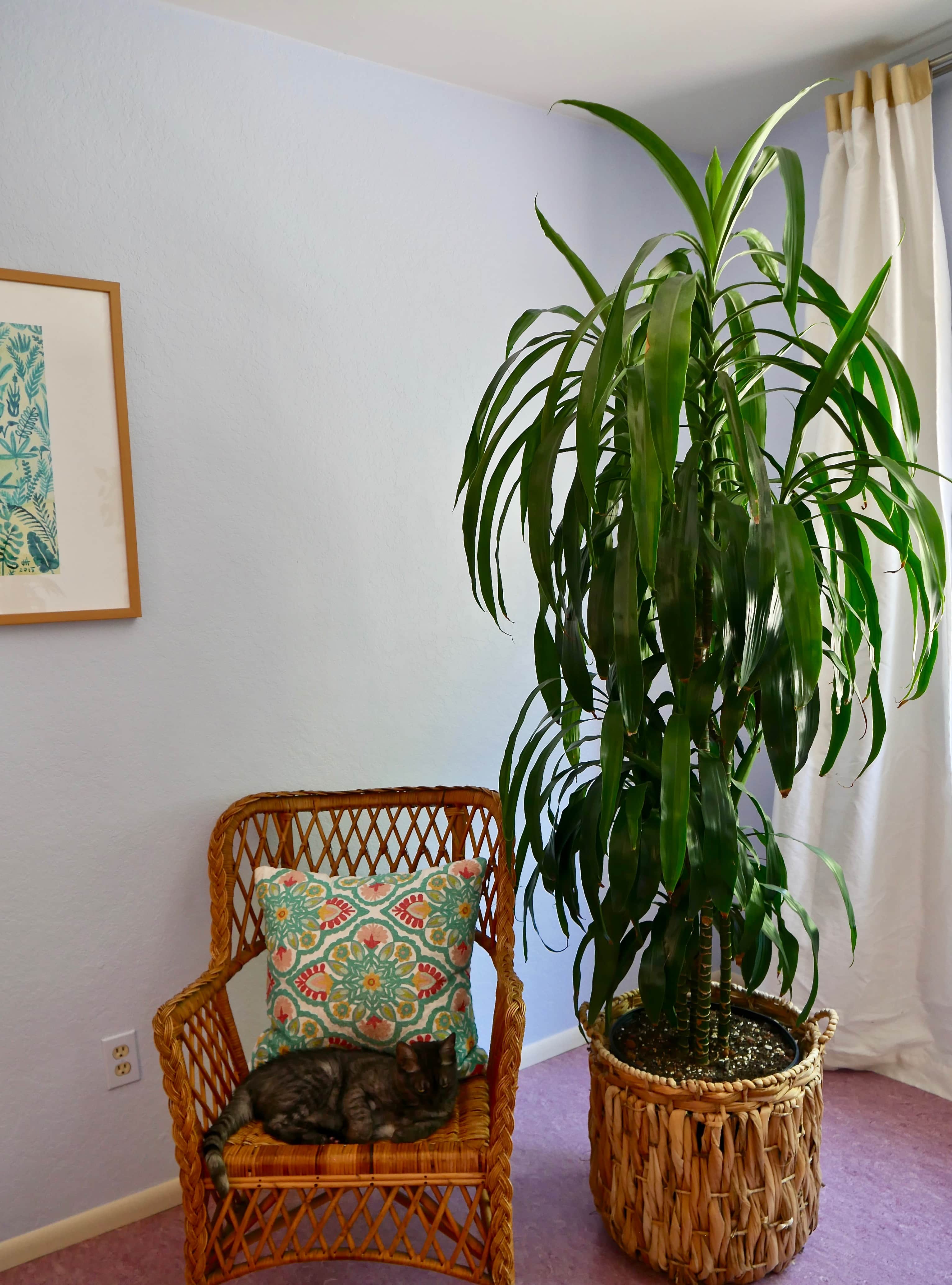
Nondescript blossoms may appear but they are no rival for the 12-inch leaves of this exceptional foliage specimen. That said, you might want to move on to the next plant, or display this one with the utmost care. It is striking in that it can reach up to 10 feet in height, making it a dramatic focal point to rival even a baby grand piano in your interior design. Dracaena thrives in 60 to 70°F temperatures in daytime with nights above 55°F. In the spring, you may be treated to a display of small purple flowers and even smaller fruits, but the foliage always takes center stage.


The friendship plant does best in a warm environment with high humidity and bright, indirect light. Dracaena sanderiana, often marketed as lucky bamboo, is known for its straight stalks and lush, green foliage. It’s one of the best low-light indoor plants and is perfect for a desk or tabletop. It’s usually grown in water, with its stems anchored by pebbles or marbles. Look for stems trained into attractive twists, curls or other fun shapes.
26 Best Low Light Indoor Plants — Best Houseplants for Shade - Prevention Magazine
26 Best Low Light Indoor Plants — Best Houseplants for Shade.
Posted: Mon, 05 Feb 2024 08:00:00 GMT [source]
Rabbit Foot Fern
Whether you choose the large, sweeping fronds of the parlor palm or the bright blooms of anthurium, you will find low-light houseplants well-suited to your needs. Spider plants can be propagated by planting the “spiderettes” they lend their name from. These baby plants (pictured below) hang from the mother plant like spiders and can just be snipped off and planted into well-draining potting soil.
Golden pothos
This plant, also known as the Victorian parlor palm, is famously resilient. Plus, who wouldn’t love those pretty, feathery leaves that liven up any bland corner of your home? It does well in medium light but can survive in lower light areas as well. Though this palm likes humidity and extra moisture, you can water it sparingly. Fittonias also come in a range of interesting colors, with deep green being the most suitable for areas with less direct or indirect light. Pair them with pink or orange species around the brighter areas of your home to start your own Fittonia collection.
With their exotic form and colors, bromeliads are often seen in shades of pink, red, orange and yellow. While they are a low-light option, they may lose some of their color, depending on where they’re placed. If you notice their leaves become long, floppy and mostly green, simply move them near a window with brighter, indirect light (try keeping the blinds splintered open).
Much confusion surrounds this plant thanks to its common name. However, it is technically not a Pothos at all and is part of the genus Scindapsus, known as Scindapsus pictus. Debra LaGattuta is a Master Gardener with 30+ years of experience in perennial and flowering plants, container gardening, and raised bed vegetable gardening.
Some say this low-light houseplant can help boost your feng shui, but we’ll let you be the judge of that. This tropical beauty features deep green leaves that are delicately veined in cream or, in some varieties, in red, pink, or white. A compact plant that grows about 6 inches in height, nerve plant makes a nice counterpoint to taller plants in a collection.
With fronds that resemble the shape of a rabbit’s foot (a well-known good-luck charm), the rabbit foot fern thrives in indirect light with plenty of humidity. If you have a window in your bathroom, that’s the ideal spot for this fast-growing plant. But be sure to keep it off the windowsill since direct sun will scald its leaves. In shades of white, pink, and green, this colorful specimen has large, variegated leaves.
Dracaena marginata has smooth gray stems, slender and erect, eventually growing to 20 feet. Stems end in crowns of narrow, leathery leaves ½ inch wide and up to 2 feet long. Dracaena is a great houseplant for darker spaces, looking especially nice in pairs for flanking doorways.
It prefers medium to bright, indirect light, making it great for a sun room or front porch. Just don’t put it in direct sunlight, as the leaves will likely burn. Water the Kimberly queen fern when the soil is dry to the touch or when its fronds turn pale green. The lady palm (also commonly known as the bamboo palm) grows in an attractive, even pattern, and new leaf stalks sprout from its bottom. This is one of the best plants for bedroom placement because they grow best in bright, indirect light near a window or skylight. Each leaf stalk can grow up to 18 inches long, so the green leaves can fill an empty bedroom corner easily.


No comments:
Post a Comment